
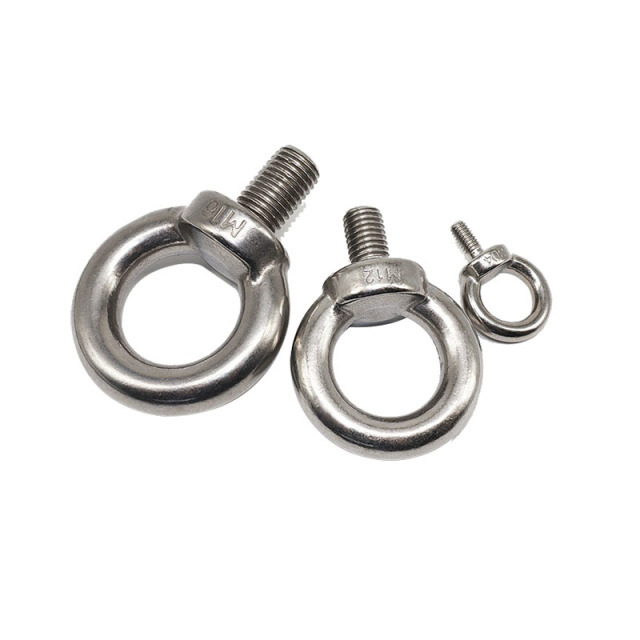
Anchor bolts are critical for connecting structures to concrete foundations. Proper installation ensures load transfer and structural integrity. This guide covers everything from planning to final inspection.
Types of Anchor Bolts
Cast-in-Place Anchors
- Installed before concrete is poured
- Highest load capacity
- Best for heavy structural connections
- Types: headed bolts, hooked bolts, anchor channels
Post-Installed Anchors
- Installed after concrete has cured
- More flexible for field adjustments
- Types: expansion anchors, undercut anchors, bonded anchors
Planning and Design
Load Calculations
Consider all forces acting on the anchor:
- Tension (uplift)
- Shear (lateral loads)
- Combined tension and shear
- Dynamic or cyclic loads
Edge Distance and Spacing
Minimum requirements (typical):
- Edge distance: 5x anchor diameter minimum
- Spacing between anchors: 10x anchor diameter minimum
- Concrete thickness: 10x anchor diameter minimum
Concrete Requirements
- Minimum compressive strength: 20 MPa (3000 psi)
- Proper consolidation around anchors
- Adequate cover (minimum 40mm for exterior)
Cast-in-Place Installation
Step 1: Positioning
- Use templates or jigs for accuracy
- Secure anchors to formwork to prevent movement during pour
- Check alignment, elevation, and spacing
Step 2: Concrete Placement
- Use appropriate aggregate size (avoid large rocks near anchors)
- Vibrate concrete thoroughly to eliminate voids
- Avoid direct vibrator contact with anchors
Step 3: Curing
- Allow proper curing time (minimum 7 days for 75% strength)
- Protect anchor threads from damage
- Apply anti-seize compound if threads will be exposed
Post-Installed Anchor Installation
Expansion Anchors
- Drill hole to specified diameter and depth
- Clean hole thoroughly (blow out dust, brush walls)
- Insert anchor and tighten to specified torque
- Expansion mechanism creates friction grip
Bonded Anchors (Chemical)
- Drill hole to specified diameter and depth
- Clean hole meticulously (critical for bond strength)
- Inject adhesive from bottom of hole
- Insert anchor rod with slow rotation
- Allow full cure time before loading
Undercut Anchors
- Drill hole with special undercut profile
- Insert anchor and expand undercut key
- Mechanical interlock provides highest loads
- Best for cracked concrete
Common Installation Mistakes
- Dirty holes: Dust reduces bond strength by 50%+
- Wrong drill bit size: Loose holes prevent proper expansion
- Over-tightening: Can crack concrete or strip threads
- Under-tightening: Insufficient preload leads to movement
- Edge distance too small: Concrete breakout failure
- Using anchors in cracked concrete: Only use anchors rated for cracked concrete
Inspection and Testing
Visual Inspection
- Check for proper installation depth
- Verify torque marks (if required)
- Look for concrete cracking or spalling
- Ensure threads are not damaged
Proof Loading
- Test 1-2% of anchors on critical projects
- Apply 125% of design load for 5 minutes
- Check for movement or concrete damage
- Document results
Maintenance
- Inspect annually for corrosion or loosening
- Re-torque if necessary
- Replace any damaged anchors immediately
- Keep threads clean and lubricated
Safety Factors
Typical safety factors for anchor design:
- Static loads: 3.0-4.0
- Dynamic loads: 4.0-5.0
- Seismic loads: 5.0-6.0
- Life-safety applications: 6.0+
Chaoshuo Trading – We supply cast-in-place and post-installed anchors in all sizes and grades. Technical support available for anchor selection and installation guidance. Contact us for your anchor bolt requirements.