
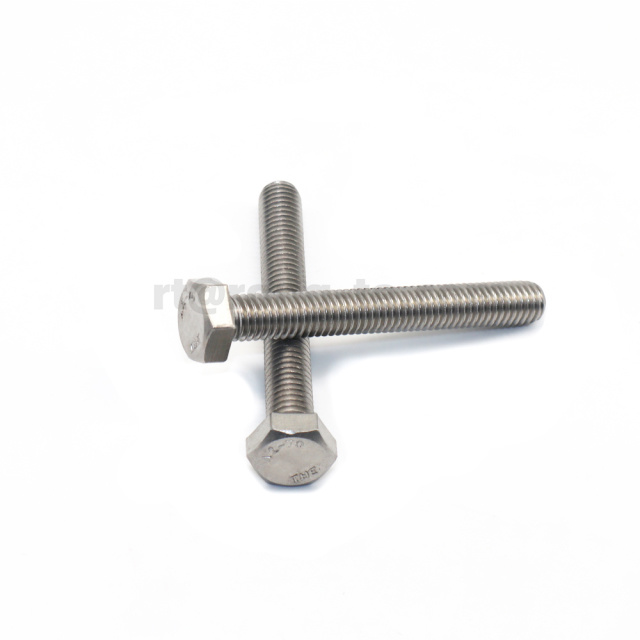
Hex Bolt Grade Guide: 4.8 vs 8.8 vs 10.9 vs 12.9 Explained
Complete comparison of hex bolt grades for construction, machinery, and structural applications. Learn which grade fits your project.
What Are Hex Bolt Grades?
Hex bolt grades indicate the strength and material properties of the fastener. The grade marking tells you the bolt’s tensile strength, yield strength, and suitable applications.
Choosing the wrong grade can lead to:
- Bolt failure under load
- Structural damage
- Safety hazards
- Costly replacements
This guide compares the four most common metric hex bolt grades: 4.8, 8.8, 10.9, and 12.9.
Grade Comparison Table
| Grade | Tensile Strength | Yield Strength | Material | Common Applications |
|---|---|---|---|---|
| 4.8 | 400 MPa | 320 MPa | Low/medium carbon steel | Light-duty, furniture, non-structural |
| 8.8 | 800 MPa | 640 MPa | Medium carbon steel, quenched & tempered | Structural steel, machinery, automotive |
| 10.9 | 1040 MPa | 940 MPa | Alloy steel, quenched & tempered | High-stress joints, bridges, cranes |
| 12.9 | 1220 MPa | 1100 MPa | Alloy steel, quenched & tempered | Precision machinery, heavy equipment |
Grade 4.8: General Purpose
Best for: Light-duty applications, furniture assembly, non-structural connections
Properties:
- Lowest strength among common grades
- Good machinability
- Economical choice
- No heat treatment required
Typical uses:
- Wooden furniture assembly
- Light fixtures
- Non-load-bearing brackets
- Indoor applications
When to choose 4.8:
- Budget is the main concern
- No heavy loads or vibration
- Indoor, dry environment
Grade 8.8: The Workhorse
Best for: Structural steel, general machinery, automotive components
Properties:
- Medium carbon steel with heat treatment
- Good balance of strength and ductility
- Most widely used grade in construction
- Resists moderate vibration and shock
Typical uses:
- Steel structure connections
- Bridge components
- Machinery frames
- Automotive chassis
- Flange connections in piping
When to choose 8.8:
- Standard structural applications
- Outdoor exposure (with proper coating)
- Moderate dynamic loads
Industry standard: Grade 8.8 is the default choice for most structural bolted connections per ISO 898-1.
Grade 10.9: High Strength
Best for: High-stress applications, precision joints, heavy equipment
Properties:
- Alloy steel with quenching and tempering
- High tensile and yield strength
- Good fatigue resistance
- Tighter dimensional tolerances
Typical uses:
- Bridge expansion joints
- Crane runway beams
- Pressure vessel flanges
- Wind turbine towers
- Railway track fastening
When to choose 10.9:
- High tensile loads
- Critical structural connections
- Dynamic or cyclic loading
- Precision machinery assembly
Note: Grade 10.9 bolts are more susceptible to hydrogen embrittlement. Proper coating selection is essential for outdoor use.
Grade 12.9: Maximum Strength
Best for: Precision machinery, heavy equipment, critical engineering applications
Properties:
- Highest strength among standard grades
- Alloy steel, carefully heat-treated
- Excellent fatigue life
- Tightest manufacturing tolerances
Typical uses:
- Injection molding machines
- Hydraulic presses
- Gearbox assemblies
- Engine components
- Aerospace ground support equipment
When to choose 12.9:
- Space constraints require smaller bolts
- Extreme tensile loads
- Precision alignment needed
- Minimal elongation acceptable
Caution: Grade 12.9 bolts have lower ductility. They are not suitable for applications requiring significant deformation or impact absorption.
How to Identify Bolt Grades
Metric hex bolts are marked on the head:
| Grade | Head Marking |
|---|---|
| 4.8 | 4.8 |
| 8.8 | 8.8 |
| 10.9 | 10.9 |
| 12.9 | 12.9 |
Important: Always verify markings before installation. Unmarked bolts should not be used in critical applications.
Choosing the Right Grade for Your Project
Step 1: Determine the Load Requirements
- Static load only? Grade 4.8 or 8.8 may suffice
- Dynamic or cyclic load? Grade 8.8 minimum, consider 10.9
- High precision needed? Grade 10.9 or 12.9
Step 2: Consider the Environment
- Indoor, dry? Any grade with basic coating
- Outdoor, mild? Grade 8.8 with zinc plating or HDG
- Harsh environment? Grade 10.9 with Dacromet or stainless steel
Step 3: Check Compatibility
- Nut grade: Should match or exceed bolt grade (e.g., 8.8 bolt → 8.8 or 10 nut)
- Washer: Hardened washers required for grades 8.8 and above
- Thread engagement: Minimum 1.5x bolt diameter for full strength
Common Mistakes to Avoid
- Over-specifying: Using 12.9 when 8.8 is sufficient wastes money
- Under-specifying: Using 4.8 in structural applications is dangerous
- Ignoring nut grade: A weak nut will strip before the bolt reaches full strength
- Wrong coating: High-strength bolts need proper corrosion protection
- No torque control: Higher grades require precise torque for proper clamping
Frequently Asked Questions
Q: Can I use a higher grade bolt as a replacement?
A: Generally yes, but ensure the nut and washer are also upgraded. Higher grade bolts may have different torque requirements.
Q: What’s the difference between 8.8 and 10.9?
A: Grade 10.9 has 30% higher tensile strength and better fatigue resistance. It’s made from alloy steel with stricter heat treatment.
Q: Are stainless steel bolts stronger than grade 8.8?
A: No. Most stainless steel bolts (A2-70, A4-80) are comparable to grade 4.8 or 8.8. Their advantage is corrosion resistance, not strength.
Q: How do I know if a bolt is grade 8.8?
A: Look for “8.8” marked on the bolt head. If unmarked, do not assume it’s high strength.
Q: Can I weld high-strength bolts?
A: Welding grade 10.9 or 12.9 bolts is not recommended. The heat destroys the heat treatment, reducing strength.
Need Help Choosing the Right Fasteners?
Chaoshuo Trading supplies the full range of hex bolts in grades 4.8, 8.8, 10.9, and 12.9. We offer:
- All metric sizes M6-M64
- Various surface treatments (zinc, HDG, Dacromet)
- Custom lengths and specifications
- Factory-direct pricing with fast delivery
Get a free quote today: Contact Us →
Looking for more fastener guides? Check out our Complete Guide to Nut Types or browse our 3D Product Catalog.