
Complete Guide to Nut Types: Hex, Lock, Flange, Wing and More
Comprehensive overview of common nut types used in construction, machinery, and general fastening. Learn when to use each type and how to select the right nut for your bolt.
What is a Nut?
A nut is a fastener with a threaded hole that mates with a bolt or screw to create a secure joint. While bolts provide the clamping force, nuts hold everything together and allow for disassembly.
Key functions:
- `n
- Secure bolted connections
- Provide clamping force
- Allow for adjustment and disassembly
- Distribute load across the joint
`nChoosing the wrong nut type can lead to:
- `n
- Joint loosening under vibration
- Thread damage
- Insufficient clamping force
- Corrosion and seizure
`n
Hex Nuts: The Standard Choice
Description
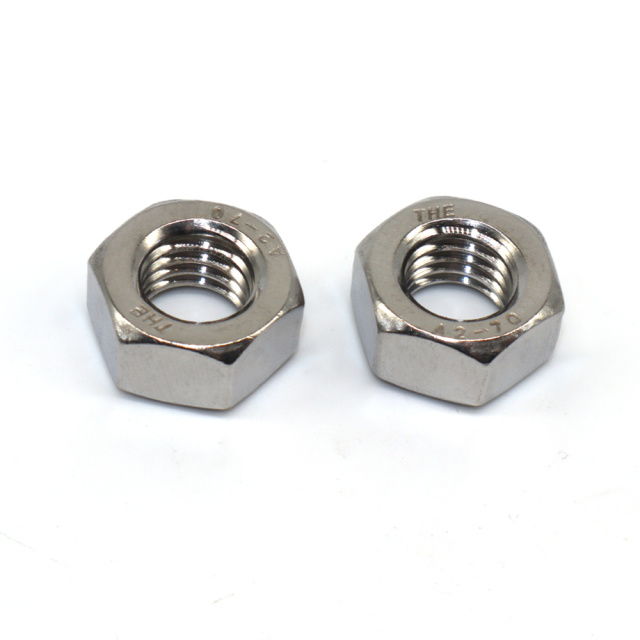
Hex nuts (hexagonal nuts) are the most common nut type worldwide. They feature six flat sides that allow wrench access from multiple angles.
Specifications
| Standard | Size Range | Grade Options | Common Use |
|———-|———–|—————|————|
| DIN 934 / ISO 4032 | M1.6-M64 | 4, 8, 10 | General purpose |
| DIN 555 / ISO 4035 | M1.6-M64 | 4 | Thin/low profile |
| Standard | Size Range | Grade Options | Common Use |
| ———- | ———– | ————— | ———— |
| DIN 934 / ISO 4032 | M1.6-M64 | 4, 8, 10 | General purpose |
| DIN 555 / ISO 4035 | M1.6-M64 | 4 | Thin/low profile |
| ANSI B18.2.2 | 1/4″-1-1/2″ | Grade 2, 5, 8 | Imperial sizes |
Advantages
✅ Universal availability
✅ Easy installation from multiple angles
✅ Well-understood performance
✅ Cost-effective
✅ Wide size and material range
Disadvantages
❌ Can loosen under vibration (without locking feature)
❌ Requires adequate clearance for wrench swing
❌ Not suitable for high-vibration applications alone
Best Applications
- `n
- General construction
- Machinery assembly
- Furniture
- Automotive (non-critical)
- Any standard bolted joint
`n
Lock Nuts: Vibration Resistance
Description
Lock nuts are designed to resist loosening under vibration and dynamic loads. They come in several types:
1. Nylon Insert Lock Nuts (Nyloc)
How it works: A nylon collar insert creates friction against the bolt threads.
Advantages:
- `n
- Excellent vibration resistance
- Reusable (limited times)
- Easy to identify (nylon insert visible)
`nDisadvantages:
- `n
- Temperature limited to 120°C (250°F)
- Nylon degrades with UV exposure
- Not suitable for high-torque applications
`nBest for: Automotive, appliances, electronics, general machinery
2. All-Metal Lock Nuts
How it works: Deformed threads at the top create a locking action.
Advantages:
- `n
- High temperature resistance (up to 1000°C depending on material)
- No nylon to degrade
- Reusable
- Higher torque capability
`nDisadvantages:
- `n
- More expensive than nylon inserts
- Harder to install by hand
- May damage bolt threads after multiple uses
`nBest for: High-temperature applications, aerospace, heavy machinery
3. Prevailing Torque Nuts
How it works: Special thread geometry creates constant resistance during installation.
Advantages:
- `n
- Consistent clamp load
- Excellent vibration resistance
- Reusable (with proper inspection)
`nDisadvantages:
- `n
- Higher cost
- Requires more torque to install
- Specialized applications
`nBest for: Critical structural connections, aerospace, automotive safety components
Flange Nuts: Built-in Washer
Description
Flange nuts have a wide flange at one end that acts as an integrated washer. This distributes the load over a larger area and eliminates the need for a separate washer.
Types
Serrated flange nuts:
- `n
- Teeth on the flange bite into the surface
- Excellent vibration resistance
- May damage soft materials
`nNon-serrated flange nuts:
- `n
- Smooth flange surface
- Won’t damage finished surfaces
- Good for painted or plated components
`n
Advantages
✅ Eliminates need for separate washer
✅ Distributes load over larger area
✅ Faster installation (one piece vs two)
✅ Good vibration resistance (serrated type)
✅ Reduces component count
Disadvantages
❌ Larger diameter requires more clearance
❌ More expensive than standard hex nuts
❌ Not suitable for soft materials (serrated type)
❌ Cannot be used in tight spaces
Best Applications
- `n
- Automotive assemblies
- Sheet metal connections
- Electrical enclosures
- Machinery where vibration is a concern
- Applications requiring fast assembly
`n
Wing Nuts: Hand-Tightenable
Description
Wing nuts feature two “wings” that allow hand-tightening without tools. They come in three types:
Type A: Cold-formed, wings are part of the nut
Type B: Hot-forged, wings are welded to the nut
Type C: Die-cast, wings and nut are one piece
Advantages
✅ No tools required
✅ Quick installation and removal
✅ Adjustable tension by feel
✅ Reusable many times
Disadvantages
❌ Low torque capability
❌ Not suitable for high-load applications
❌ Can loosen under vibration
❌ Wings can break if over-tightened
Best Applications
- `n
- Adjustable fixtures
- Temporary installations
- Light-duty assemblies
- Applications requiring frequent adjustment
- Consumer products
`n
Cap Nuts (Acorn Nuts): Decorative & Protective
Description
Cap nuts (also called acorn nuts or dome nuts) have a domed top that covers the bolt end. They provide a finished appearance and protect against sharp bolt ends.
Advantages
✅ Attractive finished appearance
✅ Protects bolt threads from corrosion
✅ Covers sharp bolt ends (safety)
✅ Easy to clean
Disadvantages
❌ Limited to low-torque applications
❌ Not suitable for high-load joints
❌ More expensive than standard nuts
❌ Adds length to the assembly
Best Applications
- `n
- Furniture and fixtures
- Architectural installations
- Playground equipment
- Marine applications
- Any visible fastener requiring a clean look
`n
T-Nuts: For Wood and Soft Materials
Description
T-nuts (tee nuts) are designed for use in wood, particle board, and other soft materials. They have prongs that bite into the material to prevent rotation.
Types
Pronged T-nuts:
- `n
- Sharp prongs pierce the material
- Excellent pull-out resistance
- May split wood if not pre-drilled
`nSmooth body T-nuts:
- `n
- No prongs, relies on friction
- Won’t split wood
- Lower pull-out resistance
`n
Advantages
✅ Strong threads in soft materials
✅ Flush mounting on one side
✅ High pull-out resistance
✅ Reusable (with care)
Disadvantages
❌ Requires drilling precise holes
❌ Not suitable for hard materials
❌ Prongs can weaken thin wood
❌ Specialized application only
Best Applications
- `n
- Wood furniture assembly
- Workbenches and jigs
- Climbing walls
- Display fixtures
- Modular wood constructions
`n
Coupling Nuts: Join Two Rods
Description
Coupling nuts (also called extension nuts or joiner nuts) are long nuts used to join two threaded rods or bolts end-to-end.
Types
Hex coupling nuts:
- `n
- Standard hex profile
- Used for general rod joining
`nThin coupling nuts:
- `n
- Reduced diameter
- For tight spaces
`nVisibility coupling nuts:
- `n
- Open center for visual inspection
- For critical applications
`n
Advantages
✅ Extends rod length
✅ Creates long threaded assemblies
✅ Simple installation
✅ Cost-effective
Disadvantages
❌ Adds length to assembly
❌ Not suitable for high-bending loads
❌ Thread engagement must be sufficient
❌ Can be visually obtrusive
Best Applications
- `n
- Threaded rod extensions
- Plumbing installations
- Electrical conduit supports
- Modular constructions
- Adjustable length assemblies
`n
Nut Selection Guide
Step 1: Determine the Application
- `n
- General purpose? → Hex nut
- Vibration present? → Lock nut or flange nut
- Frequent adjustment? → Wing nut
- Visible fastener? → Cap nut
- Wood construction? → T-nut
- Join rods? → Coupling nut
`n
Step 2: Match the Grade
Rule: Nut grade should equal or exceed bolt grade.
| Bolt Grade | Minimum Nut Grade |
|————|——————-|
| 4.8 | 4 |
| 8.8 | 8 |
| 10.9 | 10 |
| Bolt Grade | Minimum Nut Grade |
| ———— | ——————- |
| 4.8 | 4 |
| 8.8 | 8 |
| 10.9 | 10 |
| 12.9 | 12 |
Why? A weaker nut will strip before the bolt reaches full strength.
Step 3: Consider the Environment
- `n
- Indoor, dry? → Carbon steel, zinc plated
- Outdoor? → Hot-dip galvanized
- Marine/chemical? → Stainless steel (A2 or A4)
- High temperature? → All-metal lock nuts, high-temp materials
`n
Step 4: Check Clearance
- `n
- Standard wrench swing? → Hex nut (60° swing)
- Limited space? → Thin nut or flange nut
- No tools allowed? → Wing nut or thumb screw
`n
Common Mistakes to Avoid
- `n
- Undersized nut grade — Using Grade 4 nut with Grade 10.9 bolt
- Wrong lock nut type — Nylon insert in high-temperature application
- Insufficient thread engagement — Less than 1.5x bolt diameter
- Over-tightening — Stripping threads, especially in soft materials
- Ignoring vibration — Standard hex nut in high-vibration environment
- Mixing materials — Galvanic corrosion from dissimilar metals
- No lubrication — Stainless steel galling from dry installation
`n
Frequently Asked Questions
Q: Can I use a higher grade nut than required?
A: Yes, using a higher grade nut is always safe. It will be stronger than needed but won’t cause problems.
Q: How much thread engagement do I need?
A: Minimum 1.5 times the bolt diameter for full strength. For example, M10 bolt needs at least 15mm of thread engagement.
Q: Do I need a washer with a flange nut?
A: No, the flange acts as an integrated washer. Adding a separate washer defeats the purpose.
Q: Can I reuse lock nuts?
A: Nylon insert lock nuts can be reused 2-3 times. All-metal lock nuts can be reused more times but should be inspected for thread damage.
Q: What’s the difference between a lock nut and a lock washer?
A: A lock nut has built-in locking features. A lock washer is a separate component (split washer, toothed washer) placed under the nut.
Q: Why did my stainless steel nut seize?
A: This is galling. Use lubrication, slow installation speed, and consider using different grades for bolt and nut (e.g., 304 bolt with 316 nut).
Need Nuts for Your Project?
Chaoshuo Trading supplies all types of nuts in various materials and grades:
- `n
- Hex nuts: M3-M64, Grades 4, 8, 10, 12
- Lock nuts: Nylon insert and all-metal types
- Flange nuts: Serrated and non-serrated
- Specialty nuts: Wing nuts, cap nuts, T-nuts, coupling nuts
- Materials: Carbon steel, stainless steel (A2/A4), brass
`nGet a free quote: Contact Us →
Related guides: Hex Bolt Grade Guide | Stainless Steel vs Carbon Steel Fasteners