
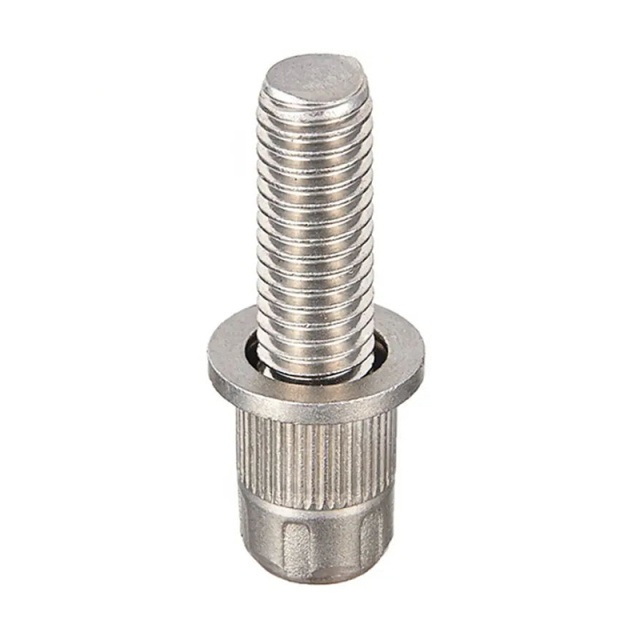
What is a Threaded Rod? Applications, Specifications, and Selection Guide
Complete guide to threaded rods (all-thread rods, stud bolts). Learn types, materials, applications, and how to choose the right threaded rod for your project.
What is a Threaded Rod?
A threaded rod (also called all-thread rod, stud bolt, or fully threaded rod) is a long rod with threads along its entire length or at both ends. Unlike bolts, threaded rods typically don’t have a head and are used to create long threaded connections or suspend equipment.
Key characteristics:
- `n
- Threads run the full length or at both ends
- No head (usually)
- Standard lengths: 1 meter, 2 meters, 3 meters, or cut to size
- Can be used with nuts, washers, and other fasteners
`nCommon names:
- `n
- Threaded rod
- All-thread rod
- Stud bolt
- Fully threaded rod
- T-head rod (with forged head)
`n
Types of Threaded Rods
1. Fully Threaded Rods
Description: Threads run the entire length of the rod.
Advantages:
- `n
- Can be cut to any length
- Nuts can be positioned anywhere
- Maximum flexibility in assembly
- Easy to adjust in the field
`nDisadvantages:
- `n
- Lower tensile strength than partially threaded rods (threads reduce cross-section)
- More expensive per meter
- Threads can be damaged during handling
`nBest for:
- `n
- Suspended ceilings
- Pipe hangers
- Equipment mounting
- General construction
- Applications requiring field adjustment
`n
2. Partially Threaded Rods (Stud Bolts)
Description: Threads only at both ends, with an unthreaded shank in the middle.
Advantages:
- `n
- Higher tensile strength (unthreaded shank has full cross-section)
- Better fatigue resistance
- More economical for long lengths
- Cleaner appearance
`nDisadvantages:
- `n
- Fixed thread positions
- Less flexible in assembly
- Cannot be cut to custom lengths easily
`nBest for:
- `n
- Flange connections
- Pressure vessels
- High-stress applications
- Structural steel connections
- Critical engineering applications
`n
3. Double-Ended Studs
Description: Short rods with threads at both ends, designed to be installed in tapped holes.
Advantages:
- `n
- Precise thread engagement
- Can be used as standoffs
- Excellent for blind hole applications
- High clamping force
`nDisadvantages:
- `n
- Limited length options
- Requires tapped holes
- More expensive than simple rods
`nBest for:
- `n
- Engine components
- Machinery assembly
- Automotive applications
- Aerospace components
`n
Threaded Rod Specifications
Metric Sizes (ISO)
| Diameter | Pitch (Coarse) | Pitch (Fine) | Tensile Area |
|———-|—————-|————–|————–|
| M6 | 1.0mm | 0.75mm | 20.1 mm² |
| M8 | 1.25mm | 1.0mm | 36.6 mm² |
| M10 | 1.5mm | 1.25mm | 58.0 mm² |
| M12 | 1.75mm | 1.5mm | 84.3 mm² |
| M16 | 2.0mm | 1.5mm | 157 mm² |
| M20 | 2.5mm | 2.0mm | 245 mm² |
| M24 | 3.0mm | 2.0mm | 353 mm² |
| M30 | 3.5mm | 2.0mm | 561 mm² |
| Diameter | Pitch (Coarse) | Pitch (Fine) | Tensile Area |
| ———- | —————- | ————– | ————– |
| M6 | 1.0mm | 0.75mm | 20.1 mm² |
| M8 | 1.25mm | 1.0mm | 36.6 mm² |
| M10 | 1.5mm | 1.25mm | 58.0 mm² |
| M12 | 1.75mm | 1.5mm | 84.3 mm² |
| M16 | 2.0mm | 1.5mm | 157 mm² |
| M20 | 2.5mm | 2.0mm | 245 mm² |
| M24 | 3.0mm | 2.0mm | 353 mm² |
| M30 | 3.5mm | 2.0mm | 561 mm² |
| M36 | 4.0mm | 3.0mm | 817 mm² |
Imperial Sizes (UNC/UNF)
| Diameter | Pitch (UNC) | Pitch (UNF) | Tensile Area |
|———-|————-|————-|————–|
| 1/4″ | 20 TPI | 28 TPI | 0.0318 in² |
| 3/8″ | 16 TPI | 24 TPI | 0.0775 in² |
| 1/2″ | 13 TPI | 20 TPI | 0.1419 in² |
| 5/8″ | 11 TPI | 18 TPI | 0.226 in² |
| 3/4″ | 10 TPI | 16 TPI | 0.334 in² |
| 7/8″ | 9 TPI | 14 TPI | 0.462 in² |
| 1″ | 8 TPI | 12 TPI | 0.606 in² |
| 1-1/4″ | 7 TPI | 12 TPI | 0.969 in² |
| Diameter | Pitch (UNC) | Pitch (UNF) | Tensile Area |
| ———- | ————- | ————- | ————– |
| 1/4″ | 20 TPI | 28 TPI | 0.0318 in² |
| 3/8″ | 16 TPI | 24 TPI | 0.0775 in² |
| 1/2″ | 13 TPI | 20 TPI | 0.1419 in² |
| 5/8″ | 11 TPI | 18 TPI | 0.226 in² |
| 3/4″ | 10 TPI | 16 TPI | 0.334 in² |
| 7/8″ | 9 TPI | 14 TPI | 0.462 in² |
| 1″ | 8 TPI | 12 TPI | 0.606 in² |
| 1-1/4″ | 7 TPI | 12 TPI | 0.969 in² |
| 1-1/2″ | 6 TPI | 12 TPI | 1.492 in² |
Strength Grades
| Grade | Material | Tensile Strength | Yield Strength | Common Use |
|——-|———-|——————|—————-|————|
| 4.8 | Low carbon steel | 400 MPa | 320 MPa | Light-duty, general purpose |
| 8.8 | Medium carbon steel | 800 MPa | 640 MPa | Structural, machinery |
| A2-70 | Stainless 304 | 700 MPa | 450 MPa | Corrosion resistance |
| A4-80 | Stainless 316 | 800 MPa | 600 MPa | Marine, chemical |
| Grade | Material | Tensile Strength | Yield Strength | Common Use |
| ——- | ———- | —————— | —————- | ———— |
| 4.8 | Low carbon steel | 400 MPa | 320 MPa | Light-duty, general purpose |
| 8.8 | Medium carbon steel | 800 MPa | 640 MPa | Structural, machinery |
| A2-70 | Stainless 304 | 700 MPa | 450 MPa | Corrosion resistance |
| A4-80 | Stainless 316 | 800 MPa | 600 MPa | Marine, chemical |
| B7 | Alloy steel (ASTM) | 125 ksi | 105 ksi | High-pressure, high-temp |
Applications of Threaded Rods
1. Suspended Ceilings
How it’s used: Threaded rods suspend ceiling grid systems from the structure above.
Typical specifications:
- `n
- Size: M6 or M8 (1/4″ or 3/8″)
- Length: Cut to ceiling height
- Material: Zinc plated carbon steel
- Load: Light (ceiling weight only)
`nInstallation tips:
- `n
- Use ceiling grid clips or eye bolts at top
- Secure with nuts and washers at bottom
- Allow for height adjustment
- Check local building codes for spacing requirements
`n
2. Pipe Hangers and Supports
How it’s used: Threaded rods support pipes, ductwork, and cable trays.
Typical specifications:
- `n
- Size: M8 to M16 (3/8″ to 5/8″) depending on pipe size
- Length: Custom cut to structure height
- Material: Hot-dip galvanized for outdoor/wet environments
- Load: Varies by pipe size and content
`nInstallation tips:
- `n
- Use appropriate pipe clamps or U-bolts
- Follow spacing requirements (typically 1.5-2 meters apart)
- Allow for thermal expansion
- Use spring isolators for vibration control
`n
3. Equipment Mounting
How it’s used: Threaded rods mount heavy equipment to concrete floors or suspend from ceilings.
Typical specifications:
- `n
- Size: M12 to M24 (1/2″ to 1″) depending on equipment weight
- Length: Custom
- Material: Grade 8.8 carbon steel or stainless
- Load: Calculated based on equipment weight + safety factor
`nInstallation tips:
- `n
- Use anchor bolts or epoxy anchors in concrete
- Level equipment carefully before final tightening
- Use vibration isolation mounts if needed
- Document torque values for maintenance
`n
4. Flange Connections
How it’s used: Stud bolts connect flanges in piping, pressure vessels, and valves.
Typical specifications:
- `n
- Size: M16 to M36 (5/8″ to 1-1/2″) or larger
- Type: Partially threaded (stud bolts)
- Material: B7 (ASTM A193) for high-pressure/high-temp
- Load: Calculated per ASME B16.5 or API standards
`nInstallation tips:
- `n
- Use proper gaskets
- Follow star-pattern tightening sequence
- Apply anti-seize compound
- Torque to specification in multiple passes
`n
5. Structural Steel Connections
How it’s used: Threaded rods connect steel beams, columns, and bracing.
Typical specifications:
- `n
- Size: M16 to M30 (5/8″ to 1-1/4″)
- Type: Fully or partially threaded
- Material: Grade 8.8 or A325/A490 equivalent
- Load: Structural engineering calculation required
`nInstallation tips:
- `n
- Follow structural engineer’s specifications
- Use hardened washers
- Torque to required pretension
- Inspect after installation
`n
6. DIY and Home Projects
How it’s used: Shelving, workbenches, garage organization, custom furniture.
Typical specifications:
- `n
- Size: M6 to M12 (1/4″ to 1/2″)
- Length: Cut to project needs
- Material: Zinc plated or stainless
- Load: Light to medium
`nInstallation tips:
- `n
- Use appropriate anchors for wall material
- Don’t overload (check weight ratings)
- Leave room for adjustment
- Deburr cut ends
`n
How to Cut Threaded Rods
Tools Needed
- `n
- Hacksaw or angle grinder with cut-off wheel
- File or deburring tool
- Thread chaser or die (optional, to clean cut threads)
- Safety glasses and gloves
`n
Cutting Steps
- `n
- Measure and mark — Use tape or marker to indicate cut line
- Secure the rod — Clamp in vise or with pliers
- Cut slowly — Let the tool do the work; don’t force it
- Deburr the end — File the cut end smooth
- Clean threads — Run a die or nut over the cut end to restore threads
- Remove metal shavings — Clean thoroughly before installation
`n
Tips
- `n
- Cut slightly longer than needed (you can always trim more)
- Use cutting oil for cleaner cuts
- Wear safety glasses (metal shards fly)
- Save the cut-off pieces for short applications
`n
Threaded Rod Materials and Coatings
| Material/Coating | Environment | Corrosion Resistance | Cost |
|——————|————-|———————-|——|
| Carbon steel, plain | Indoor, dry | Low | $ |
| Zinc plated | Indoor, mild outdoor | Moderate | $$ |
| Hot-dip galvanized | Outdoor, wet | High | $$$ |
| Stainless 304 (A2) | General outdoor, food | Very high | $$$ |
| Stainless 316 (A4) | Marine, chemical | Excellent | $$$$ |
| Material/Coating | Environment | Corrosion Resistance | Cost |
| —————— | ————- | ———————- | —— |
| Carbon steel, plain | Indoor, dry | Low | $ |
| Zinc plated | Indoor, mild outdoor | Moderate | $$ |
| Hot-dip galvanized | Outdoor, wet | High | $$$ |
| Stainless 304 (A2) | General outdoor, food | Very high | $$$ |
| Stainless 316 (A4) | Marine, chemical | Excellent | $$$$ |
| B7 (alloy steel) | High-pressure, high-temp | Moderate (needs coating) | $$$ |
Load Capacity Guidelines
Tension Load (Vertical Hanging)
| Size | Grade 4.8 | Grade 8.8 | A2-70 Stainless |
|——|———–|———–|—————–|
| M6 | 640 kg | 1,280 kg | 900 kg |
| M8 | 1,150 kg | 2,300 kg | 1,600 kg |
| M10 | 1,800 kg | 3,600 kg | 2,500 kg |
| M12 | 2,600 kg | 5,200 kg | 3,600 kg |
| M16 | 4,800 kg | 9,600 kg | 6,700 kg |
| Size | Grade 4.8 | Grade 8.8 | A2-70 Stainless |
| —— | ———– | ———– | —————– |
| M6 | 640 kg | 1,280 kg | 900 kg |
| M8 | 1,150 kg | 2,300 kg | 1,600 kg |
| M10 | 1,800 kg | 3,600 kg | 2,500 kg |
| M12 | 2,600 kg | 5,200 kg | 3,600 kg |
| M16 | 4,800 kg | 9,600 kg | 6,700 kg |
| M20 | 7,600 kg | 15,200 kg | 10,500 kg |
Note: These are theoretical ultimate loads. Always apply safety factors (typically 4:1 to 10:1) for actual working loads. Consult an engineer for critical applications.
Frequently Asked Questions
Q: What’s the difference between a threaded rod and a bolt?
A: A bolt has a head and is designed to be tightened from one side. A threaded rod has no head (usually) and can accept nuts on both ends. Threaded rods are also much longer than standard bolts.
Q: Can I weld threaded rods?
A: You can weld the unthreaded portion, but welding near threads will damage them. High-strength rods (Grade 10.9, 12.9) should not be welded as it destroys the heat treatment.
Q: How do I prevent threaded rods from loosening?
A: Use lock nuts (nylon insert or all-metal), lock washers, or thread-locking adhesive (Loctite). For critical applications, use prevailing torque nuts.
Q: What’s the maximum length for threaded rods?
A: Standard stock lengths are 1m, 2m, and 3m. Longer lengths can be special-ordered or joined using coupling nuts. For very long runs, consider using multiple shorter rods with intermediate supports.
Q: Can threaded rods be used in concrete?
A: Yes, with appropriate anchors (wedge anchors, sleeve anchors, or epoxy anchors). For cast-in-place applications, use L-bolts or J-bolts instead.
Q: How do I calculate the load capacity of a threaded rod?
A: Load capacity = Tensile stress area × Allowable stress. The tensile stress area is based on the thread diameter and pitch. Always consult engineering tables or a structural engineer for critical applications.
Need Threaded Rods for Your Project?
Chaoshuo Trading supplies threaded rods in all sizes and materials:
- `n
- Sizes: M6 to M64 (1/4″ to 2-1/2″)
- Lengths: Standard 1m, 2m, 3m or custom cut
- Grades: 4.8, 8.8, B7, A2-70, A4-80
- Materials: Carbon steel, stainless steel, alloy steel
- Coatings: Zinc plated, hot-dip galvanized, Dacromet
`nGet a free quote: Contact Us →
Related guides: Hex Bolt Grade Guide | Anchor Bolts for Concrete