
The head of a bolt or screw determines how it is driven, how much clamping surface it has, and how it looks. Here are the most common bolt head types and where to use them.
Hex head
The classic six-sided head, driven with a wrench or socket. Strong, easy to apply high torque, and the standard for structural and general bolting (DIN 933/931).
Socket cap (Allen) head
A cylindrical head with an internal hex drive, tightened with an Allen key. Compact, high strength (often 12.9), and good for tight spaces and machinery (DIN 912).
Button and pan head
Low, rounded heads for a neat finish where high torque is not required — common in covers, panels and consumer products.
Countersunk (flat) head
An angled head that sits flush with the surface. Used where a smooth, snag-free finish is needed (DIN 7991 socket countersunk).
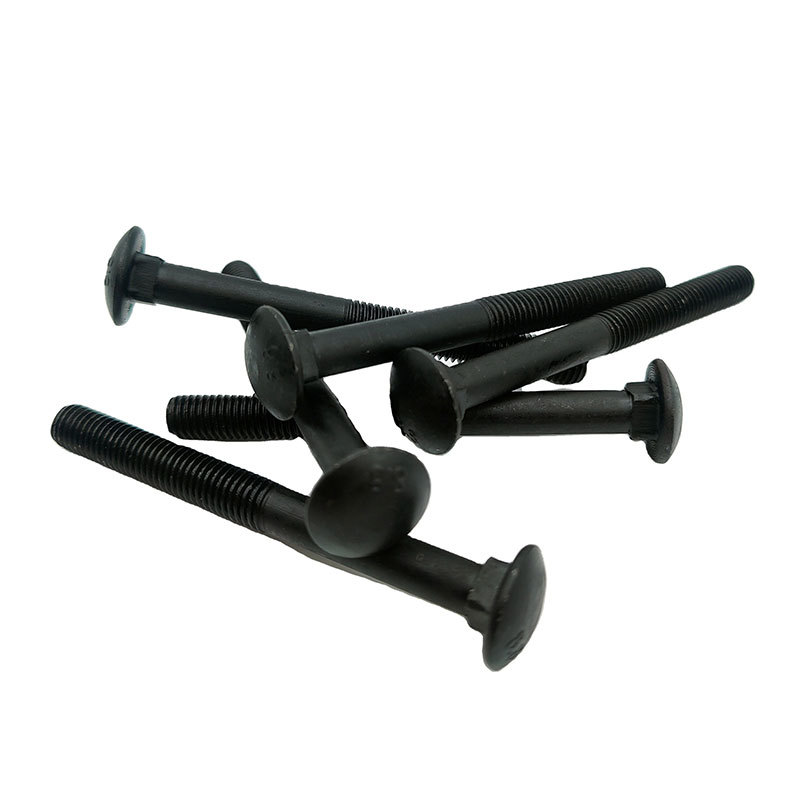
Carriage head
A domed head with a square neck underneath that locks into wood or a square hole so the bolt does not spin during tightening — common in timber and frame construction.
Flange head
A hex head with an integrated washer-like flange that spreads load and resists loosening — popular in automotive and machinery, removing the need for a separate washer.
How to choose
- Strength and torque: hex or socket cap.
- Flush finish: countersunk.
- Anti-spin in wood: carriage.
- Built-in washer / vibration: flange.
Source these fasteners from Chaoshuo Trading
Chaoshuo Trading is a China-based fastener source factory supplying bolts, nuts, screws, washers, rivets, threaded rods and custom fasteners in DIN/ISO standards, with factory-direct pricing and OEM customization. Contact us for a quote: info@chaoshuotrade.com | WhatsApp +86 158 0311 9164 | www.chaoshuotrade.com