
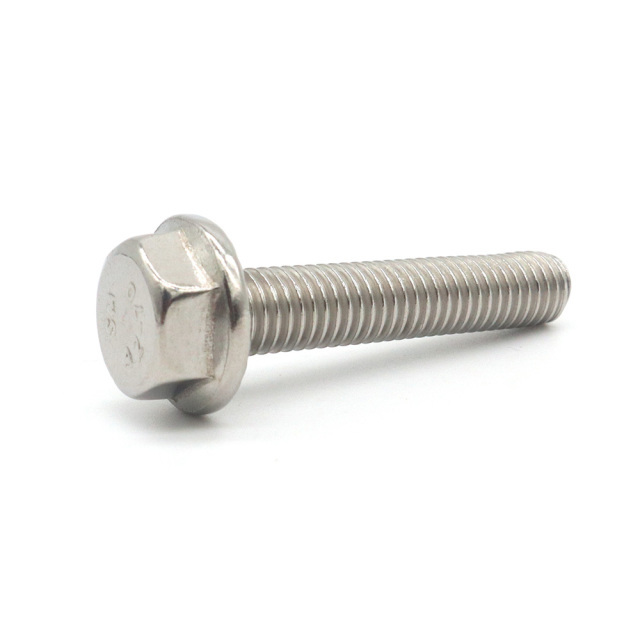
Surface Treatment for Fasteners: Zinc, HDG, Dacromet Explained
Complete guide to fastener surface treatments and coatings. Compare zinc plating, hot-dip galvanizing, Dacromet, and other coatings for corrosion protection and durability.
Why Surface Treatment Matters
Fasteners are typically made of steel, which is prone to corrosion when exposed to moisture, chemicals, or harsh environments. Surface treatment creates a protective barrier that:
- `n
- Prevents rust and corrosion
- Extends fastener lifespan
- Maintains structural integrity
- Improves appearance
- Reduces maintenance costs
`nChoosing the wrong coating can lead to:
- `n
- Premature failure
- Costly replacements
- Safety hazards
- Aesthetic problems
`n
Common Surface Treatments Overview
| Treatment | Thickness | Salt Spray Resistance | Cost | Best Environment |
|———–|———–|———————|——|——————|
| Zinc Plating (Electroplating) | 5-25 μm | 24-96 hours | $ | Indoor, mild outdoor |
| Hot-Dip Galvanizing (HDG) | 45-85 μm | 500+ hours | $$ | Outdoor, industrial |
| Dacromet (Zinc Flake) | 6-8 μm | 1000+ hours | $$$ | Automotive, marine |
| Mechanical Plating | 25-50 μm | 200-500 hours | $$ | General outdoor |
| Phosphating | 5-15 μm | Low (base coat) | $ | Paint base, indoor |
| Black Oxide | 1-2 μm | Very low | $ | Indoor, decorative |
| Treatment | Thickness | Salt Spray Resistance | Cost | Best Environment |
| ———– | ———– | ——————— | —— | —————— |
| Zinc Plating (Electroplating) | 5-25 μm | 24-96 hours | $ | Indoor, mild outdoor |
| Hot-Dip Galvanizing (HDG) | 45-85 μm | 500+ hours | $$ | Outdoor, industrial |
| Dacromet (Zinc Flake) | 6-8 μm | 1000+ hours | $$$ | Automotive, marine |
| Mechanical Plating | 25-50 μm | 200-500 hours | $$ | General outdoor |
| Phosphating | 5-15 μm | Low (base coat) | $ | Paint base, indoor |
| Black Oxide | 1-2 μm | Very low | $ | Indoor, decorative |
| Stainless Steel (passive) | N/A | Excellent | $$$$ | Marine, chemical |
Zinc Plating (Electroplating)
How It Works
Zinc plating uses an electrical current to deposit a thin layer of zinc onto the fastener surface. The zinc acts as a sacrificial anode, corroding before the steel underneath.
Specifications
- `n
- Coating thickness: 5-25 μm (typically 8-12 μm for standard fasteners)
- Salt spray resistance: 24-96 hours (depending on thickness and passivation)
- Appearance: Bright silver, blue-bright, or yellow (with chromate conversion)
- Standards: ISO 4042, ASTM B633
`n
Types of Zinc Plating
Clear zinc (blue-bright):
- `n
- Most common type
- Bright silver appearance
- Basic corrosion protection
- Good for indoor applications
`nYellow zinc (chromate conversion):
- `n
- Gold/yellow appearance
- Better corrosion resistance than clear zinc
- Common for automotive applications
- Contains hexavalent chromium (environmental concerns)
`nTrivalent chromate (RoHS compliant):
- `n
- Environmentally friendly alternative
- Similar appearance to yellow zinc
- Good corrosion resistance
- Required for EU markets
`n
Advantages
✅ Cost-effective
✅ Bright, attractive appearance
✅ Good for indoor and mild outdoor use
✅ Wide availability
✅ Consistent coating thickness
Disadvantages
❌ Thin coating (limited corrosion resistance)
❌ Not suitable for harsh environments
❌ White rust can form in humid conditions
❌ Coating wears off over time
Best Applications
- `n
- Indoor machinery
- Electronics enclosures
- Furniture assembly
- Light fixtures
- Dry indoor environments
`n
Hot-Dip Galvanizing (HDG)
How It Works
Fasteners are cleaned, fluxed, and immersed in molten zinc (approximately 450°C / 840°F). The zinc reacts with the steel surface to form a series of zinc-iron alloy layers, topped with a layer of pure zinc.
Specifications
- `n
- Coating thickness: 45-85 μm (typically 60-70 μm for M12-M20 fasteners)
- Salt spray resistance: 500-1000+ hours
- Appearance: Dull gray, spangled (crystalline pattern)
- Standards: ISO 10684, ASTM A153, ASTM F2329
`n
Coating Structure
The HDG coating consists of multiple layers:
| Layer | Composition | Hardness | Function |
|——-|————-|———-|———-|
| Gamma | 75% Zn, 25% Fe | Very hard | Adhesion to steel |
| Delta | 90% Zn, 10% Fe | Hard | Wear resistance |
| Zeta | 94% Zn, 6% Fe | Medium | Ductility |
| Layer | Composition | Hardness | Function |
| ——- | ————- | ———- | ———- |
| Gamma | 75% Zn, 25% Fe | Very hard | Adhesion to steel |
| Delta | 90% Zn, 10% Fe | Hard | Wear resistance |
| Zeta | 94% Zn, 6% Fe | Medium | Ductility |
| Eta (outer) | Pure zinc | Soft | Sacrificial protection |
Advantages
✅ Excellent corrosion resistance (20-50+ years outdoors)
✅ Thick, durable coating
✅ Covers all surfaces (including threads)
✅ Cathodic protection (zinc sacrifices itself)
✅ Low maintenance
Disadvantages
❌ Thick coating can cause thread fit issues
❌ Dull gray appearance (not decorative)
❌ Coating can be uneven
❌ Hydrogen embrittlement risk for high-strength fasteners
❌ Longer lead time than plating
Thread Fit Issues
HDG coating is thick, which can make assembly difficult. Solutions:
- `n
- Oversized tapping: Nuts are tapped oversize to accommodate the coating
- Centrifuging: Spun to remove excess zinc (for small fasteners)
- Thread rolling after galvanizing: Maintains dimensional accuracy
`n
Best Applications
- `n
- Outdoor structural steel
- Bridges and highways
- Utility poles
- Marine structures (with proper maintenance)
- Industrial plants
- Agricultural equipment
`n
Dacromet (Zinc Flake Coating)
How It Works
Dacromet is a zinc flake coating applied by dipping or spraying the fasteners with a water-based solution containing zinc and aluminum flakes, then baking at 300°C to cure.
Specifications
- `n
- Coating thickness: 6-8 μm
- Salt spray resistance: 1000+ hours (some formulations 2000+ hours)
- Appearance: Matte silver-gray
- Standards: ISO 10683, ASTM F1136
`n
Advantages
✅ Excellent corrosion resistance (better than HDG)
✅ Thin coating (no thread fit issues)
✅ No hydrogen embrittlement risk
✅ Good for high-strength fasteners (Grade 10.9, 12.9)
✅ Uniform coating thickness
✅ Environmentally friendly (no hexavalent chromium)
✅ Good lubricity (consistent torque-tension relationship)
Disadvantages
❌ More expensive than zinc plating or HDG
❌ Matte appearance (not as bright as plating)
❌ Limited color options
❌ Specialized application process
Best Applications
- `n
- Automotive (engine, chassis, suspension)
- High-strength structural bolts
- Wind turbine fasteners
- Railway applications
- Aerospace ground support
- Applications requiring consistent torque
`n
Mechanical Plating
How It Works
Metal powder (zinc, tin, or alloy) is cold-welded to the fastener surface using glass beads, water, and promotional chemicals in a rotating barrel. No heat or electricity is used.
Specifications
- `n
- Coating thickness: 25-50 μm
- Salt spray resistance: 200-500 hours
- Appearance: Matte gray (similar to HDG but smoother)
- Standards: ASTM B695, ISO 6508
`n
Advantages
✅ No hydrogen embrittlement risk
✅ Good for high-strength fasteners
✅ Thicker than electroplating
✅ Better corrosion resistance than zinc plating
✅ Uniform coating
Disadvantages
❌ Less common than other treatments
❌ Moderate corrosion resistance
❌ Higher cost than zinc plating
❌ Limited availability
Best Applications
- `n
- High-strength bolts (Grade 10.9, 12.9)
- Automotive components
- Spring fasteners
- Applications where hydrogen embrittlement is a concern
`n
Phosphating
How It Works
A chemical conversion coating that creates a layer of insoluble phosphate crystals on the steel surface. Usually used as a base for painting or oiling.
Types
Zinc phosphate:
- `n
- Gray crystalline coating
- Good paint adhesion
- Common for fasteners
`nManganese phosphate:
- `n
- Black/dark gray coating
- Better wear resistance
- Common for gears and bearings
`n
Advantages
✅ Excellent paint adhesion
✅ Low cost
✅ Good lubricity (when oiled)
✅ Reduces galling (for stainless steel)
Disadvantages
❌ Low corrosion resistance alone
❌ Must be painted or oiled for protection
❌ Thin coating
Best Applications
- `n
- Paint base for outdoor fasteners
- Thread rolling lubricant carrier
- Break-in coating for moving parts
- Stainless steel anti-galling treatment
`n
Black Oxide
How It Works
A chemical conversion coating that creates a black iron oxide (Fe3O4) layer on the steel surface. Usually followed by oil or wax impregnation.
Specifications
- `n
- Coating thickness: 1-2 μm (essentially a conversion layer)
- Salt spray resistance: Very low (hours only)
- Appearance: Matte black
- Standards: MIL-DTL-13924, ISO 1134
`n
Advantages
✅ Attractive black appearance
✅ Minimal dimensional change
✅ Low cost
✅ Good for indoor decorative applications
✅ Reduces light reflection
Disadvantages
❌ Very poor corrosion resistance
❌ Must be oiled or waxed
❌ Not suitable for outdoor use
❌ Coating wears easily
Best Applications
- `n
- Indoor decorative fasteners
- Firearms
- Optical instruments
- Indoor furniture
- Architectural applications (with regular maintenance)
`n
Comparison Chart
| Property | Zinc Plating | HDG | Dacromet | Mechanical | Phosphate | Black Oxide |
|———-|————–|—–|———-|————|———–|————-|
| Thickness | 5-25 μm | 45-85 μm | 6-8 μm | 25-50 μm | 5-15 μm | 1-2 μm |
| Salt spray | 24-96h | 500-1000h | 1000h+ | 200-500h | Low | Very low |
| Appearance | Bright silver | Dull gray | Matte silver | Matte gray | Gray/black | Black |
| Cost | $ | $$ | $$$ | $$ | $ | $ |
| Thread fit | Good | Poor (oversize needed) | Excellent | Good | Good | Excellent |
| Hydrogen risk | Yes | Yes | No | No | No | No |
| Property | Zinc Plating | HDG | Dacromet | Mechanical | Phosphate | Black Oxide |
| ———- | ————– | —– | ———- | ———— | ———– | ————- |
| Thickness | 5-25 μm | 45-85 μm | 6-8 μm | 25-50 μm | 5-15 μm | 1-2 μm |
| Salt spray | 24-96h | 500-1000h | 1000h+ | 200-500h | Low | Very low |
| Appearance | Bright silver | Dull gray | Matte silver | Matte gray | Gray/black | Black |
| Cost | $ | $$ | $$$ | $$ | $ | $ |
| Thread fit | Good | Poor (oversize needed) | Excellent | Good | Good | Excellent |
| Hydrogen risk | Yes | Yes | No | No | No | No |
| High-strength OK | No | No | Yes | Yes | Yes | Yes |
How to Choose the Right Coating
Step 1: Determine the Environment
- `n
- Indoor, dry? → Zinc plating or black oxide
- Outdoor, mild? → HDG or mechanical plating
- Outdoor, harsh? → Dacromet or stainless steel
- Marine/chemical? → Stainless steel (A4) or Dacromet
`n
Step 2: Consider the Fastener Grade
- `n
- Grade 4.8, 8.8? → Any coating is suitable
- Grade 10.9, 12.9? → Avoid zinc plating and HDG (hydrogen embrittlement risk). Use Dacromet or mechanical plating.
`n
Step 3: Check Appearance Requirements
- `n
- Bright, decorative? → Zinc plating (clear or yellow)
- Industrial look OK? → HDG or Dacromet
- Black finish needed? → Black oxide (indoor only)
`n
Step 4: Evaluate Cost vs. Performance
- `n
- Budget priority? → Zinc plating
- Long-term value? → HDG or Dacromet
- Critical application? → Stainless steel or Dacromet
`n
Environmental Considerations
RoHS Compliance
The EU Restriction of Hazardous Substances (RoHS) limits hexavalent chromium [Cr(VI)] in coatings. This affects:
- `n
- Yellow zinc plating — Traditional chromate conversion contains Cr(VI). Trivalent chromate alternatives are RoHS-compliant.
- HDG — Generally RoHS-compliant (no Cr(VI) in the process).
- Dacromet — Most formulations are RoHS-compliant.
`n
REACH Compliance
The EU REACH regulation restricts certain chemicals. Most modern fastener coatings are REACH-compliant, but verify with your supplier.
Lead and Cadmium
Some older coatings contained lead or cadmium. Modern fasteners should be lead-free and cadmium-free. Always specify “RoHS compliant” or “cadmium-free” when ordering.
Frequently Asked Questions
Q: How long does hot-dip galvanized coating last?
A: In rural environments, 50+ years. In industrial/marine environments, 20-35 years. The coating thickness determines lifespan—thicker coatings last longer.
Q: Can I paint over galvanized fasteners?
A: Yes, but the surface must be clean and dry. Use a primer designed for galvanized surfaces. Dacromet-coated fasteners accept paint better than HDG.
Q: What’s the difference between zinc plating and HDG?
A: Zinc plating is thin (5-25 μm) and bright; HDG is thick (45-85 μm) and dull gray. HDG lasts much longer outdoors but has a rougher appearance.
Q: Why can’t I use zinc-plated high-strength bolts?
A: Zinc plating and HDG processes can cause hydrogen embrittlement in high-strength steels (Grade 10.9, 12.9). The hydrogen atoms diffuse into the steel and cause delayed cracking. Use Dacromet or mechanical plating instead.
Q: What is white rust?
A: White rust is zinc oxide that forms on freshly galvanized surfaces when exposed to moisture. It’s usually cosmetic but can reduce coating life if severe. Prevent by storing in dry conditions.
Q: Is Dacromet better than HDG?
A: For corrosion resistance, yes (1000+ hours vs 500 hours salt spray). For cost, no (Dacromet is more expensive). For high-strength fasteners, Dacromet is the only choice (no hydrogen risk).
Need Fasteners with the Right Coating?
Chaoshuo Trading supplies fasteners with all surface treatments:
- `n
- Zinc plating: Clear, yellow, trivalent (RoHS compliant)
- Hot-dip galvanizing: ISO 10684, ASTM F2329
- Dacromet: Zinc flake coating for high-strength bolts
- Mechanical plating: For hydrogen-sensitive applications
- Stainless steel: A2 (304), A4 (316) — no coating needed
`nGet a free quote: Contact Us →
Related guides: Hex Bolt Grade Guide | Stainless Steel vs Carbon Steel Fasteners