
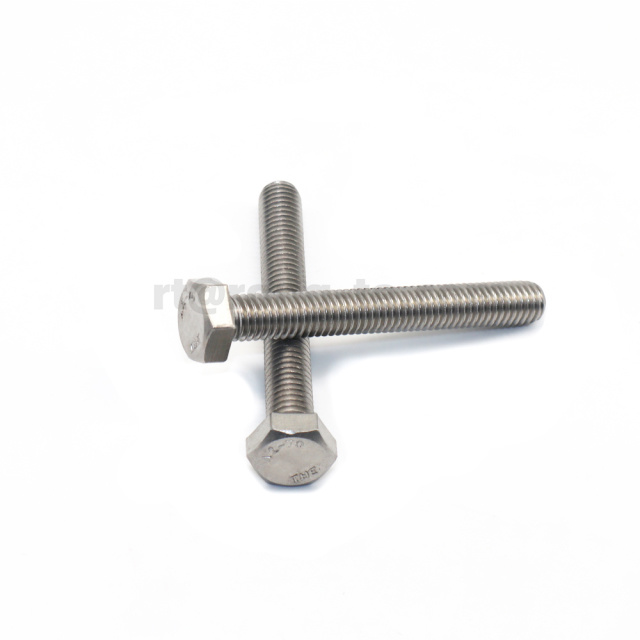
Proper torque application is critical for bolted joint integrity. Too little torque causes loosening, too much causes failure. This guide explains everything you need to know.
What is Bolt Torque?
Torque is the rotational force applied to a fastener to create clamping force. Only about 15% of applied torque actually creates clamping force. The rest overcomes friction under the bolt head and in the threads.
Why Torque Matters
- Under-torquing: Insufficient clamping force leads to vibration loosening, fatigue failure, and joint separation
- Over-torquing: Exceeds yield strength, causing thread stripping, bolt breakage, or material damage
- Correct torque: Creates proper preload, ensuring joint integrity and fatigue resistance
Torque Values by Grade
Typical torque values for M10 bolts (lubricated threads):
- Grade 8.8: 45 Nm
- Grade 10.9: 65 Nm
- Grade 12.9: 75 Nm
Note: Values vary by manufacturer, coating, and lubrication. Always consult specifications.
Factors Affecting Torque
- Thread lubrication: Oil reduces friction, increasing clamping force for same torque
- Coating type: Zinc, Dacromet, and wax affect friction differently
- Surface finish: Rough surfaces increase friction
- Temperature: Extreme temperatures affect material properties
Best Practices
- Use calibrated torque wrenches (check calibration every 6 months)
- Follow manufacturer torque specifications exactly
- Tighten in star pattern for multi-bolt joints
- Tighten in stages (50%, then 100% of final torque)
- Re-check torque after 24 hours for critical joints
Torque vs. Tension
Torque is just a means to achieve tension (preload). The relationship depends on friction. Torque-angle method provides more consistent preload than torque alone.
Chaoshuo Trading – We supply fasteners with complete technical documentation including torque specifications. Contact us for engineering support.