
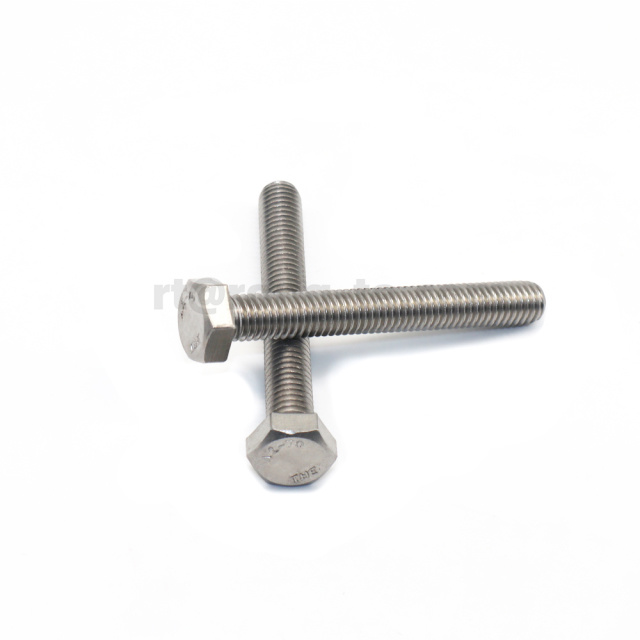
Marine environments are among the most corrosive on Earth. Saltwater, humidity, and UV exposure demand fasteners that can withstand extreme conditions. This guide covers stainless steel fastener selection for marine applications.
Why Stainless Steel for Marine?
Stainless steel contains chromium (minimum 10.5%), which forms a passive oxide layer that protects against corrosion. This self-healing layer reforms when damaged, providing long-term protection.
Grade Selection: 304 vs 316
A2-70 (304 Stainless Steel)
- Good general corrosion resistance
- Suitable for freshwater and mild marine environments
- Cost-effective option for boat interiors and protected areas
- Tensile strength: 700 MPa minimum
A4-80 (316 Stainless Steel)
- Contains 2-3% molybdenum for enhanced corrosion resistance
- Superior resistance to chloride (saltwater) pitting corrosion
- Essential for hull fittings, deck hardware, and underwater applications
- Tensile strength: 800 MPa minimum
Marine Fastener Applications
- Hull below waterline: A4-80 (316) only
- Deck hardware: A4-80 for exposed areas, A2-70 acceptable for protected
- Rigging: A4-80 swage terminals and turnbuckles
- Engine room: A4-80 for saltwater cooling systems
- Interior: A2-70 acceptable for cabinetry and fixtures
Preventing Galvanic Corrosion
Stainless steel in contact with aluminum or carbon steel creates galvanic cells in saltwater. Solutions:
- Use insulating washers and sleeves
- Apply anti-corrosion compounds (Tef-Gel, Duralac)
- Choose fasteners matching or nobler than base material
Maintenance Tips
- Rinse with fresh water regularly
- Inspect for crevice corrosion in trapped areas
- Replace any fasteners showing pitting or discoloration
- Never mix 304 and 316 in same assembly
Chaoshuo Trading – We supply A2-70 and A4-80 stainless steel fasteners in all standard and metric sizes. Marine-grade quality, competitive pricing.